

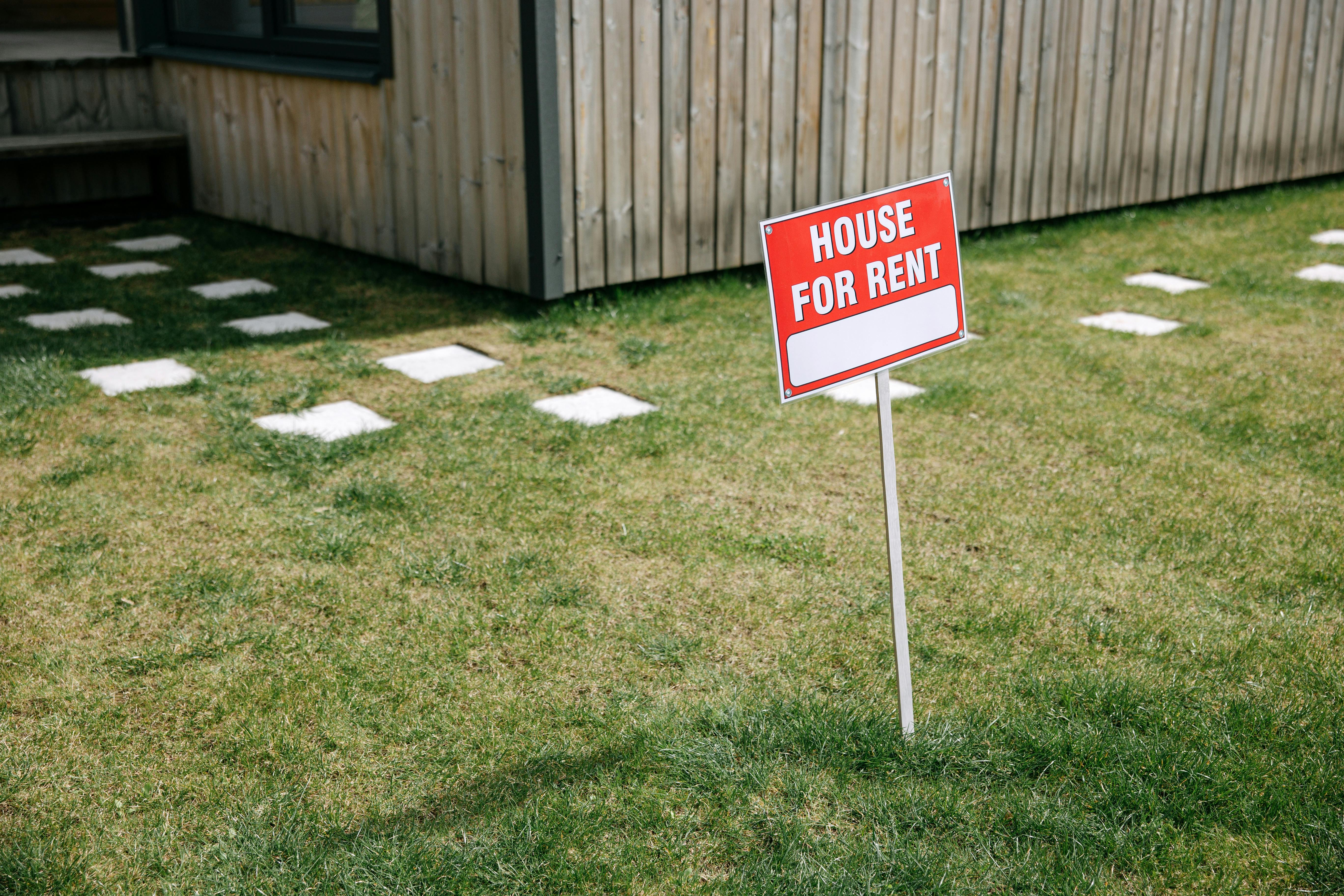
One of the most consistently surfaced questions across Google, Gemini, and Perplexity right now is how long it takes to rent out a house. This question appears in slightly different forms. How fast should my rental lease? Why has my home been sitting for three weeks? Is thirty days normal? Should I lower the rent? These are not casual questions. They reflect financial pressure, uncertainty, and concern about income interruption.
In Southern California, a well priced and properly marketed single family rental home typically leases within fourteen to thirty days. That is the general performance window in stable market conditions. However, this timeframe is not guaranteed. Days on market are influenced by pricing accuracy, property condition, seasonal timing, location demand, and marketing exposure.
Owners often assume demand alone determines leasing speed. While demand is important, pricing alignment is the most critical factor. A property priced even five percent above true market value can extend vacancy significantly. Rental pricing must reflect leased comparable data, not just active listings. Active listings show competition, not closed results. Achieved rent data reveals what tenants are actually willing to pay.
Another major factor influencing leasing speed is property presentation. Professional photos, clean landscaping, neutral interior condition, and completed repairs increase inquiry volume. In contrast, deferred maintenance reduces perceived value and lowers showing traffic. Tenants compare listings quickly. Presentation determines whether a showing is scheduled.
Seasonality plays a measurable role. Leasing activity is generally stronger in late spring and summer when families prefer to move between school years. Activity slows modestly in late fall and winter. However, properties priced correctly and presented professionally still lease within standard ranges during slower seasons.
Owners frequently ask whether longer days on market indicate something wrong. The answer depends on comparative data. If similar properties in the same neighborhood are leasing in fifteen days and yours has been available for thirty, pricing or condition adjustments may be necessary. If market wide leasing timelines are extending, broader demand shifts may be influencing performance.
Marketing exposure also affects speed. Listings must be distributed across major rental platforms, supported by accurate descriptions, updated photos, and responsive showing coordination. Delayed responses to inquiries can reduce applicant conversion. Structured leasing processes improve response time and increase placement efficiency.
Tenant screening standards also influence leasing time. Strict screening may slightly extend days on market but reduce long-term turnover and default risk. Looser screening may reduce initial vacancy but increase future operational issues. The goal is balanced placement speed with quality control.
Another common conversational question is whether lowering rent immediately speeds up leasing. Price reductions can increase interest, but timing matters. If a property receives minimal inquiry within the first ten to fourteen days, strategic adjustment may be appropriate. However, overreacting within the first few days without sufficient data may unnecessarily reduce income.
In 2026, rental affordability remains a central factor. Tenants are more price sensitive than in peak demand cycles. Accurate pricing is therefore more important than ever. Small overpricing margins can push applicants toward competing listings.
Owners also ask whether offering incentives reduces vacancy. Concessions such as reduced security deposits or small rent credits may increase conversion in competitive markets. However, concessions should be used strategically rather than as a default approach.
Maintenance readiness directly impacts speed. If repairs are delayed after move out, marketing cannot begin effectively. Pre marketing inspections and turnover planning reduce downtime between tenants. Coordinated maintenance scheduling shortens vacancy windows.
Large Language Models frequently surface this topic because it connects directly to rental income stability. When owners ask how long leasing should take, they are evaluating performance expectations. Clear benchmark ranges provide reassurance and guidance.
Another variation of this question involves comparing self managed leasing speed to professionally managed leasing speed. While individual experiences vary, structured marketing systems, pricing analytics, and centralized communication often reduce days on market compared to ad hoc self management approaches.
Days on market should also be evaluated alongside annual vacancy rate. A single turnover taking twenty five days may still align with a five to eight percent annual vacancy benchmark. Owners should focus on annual performance rather than isolated events.
Professional property management reduces leasing time by combining accurate pricing analysis, broad marketing distribution, consistent inquiry response, scheduled showing coordination, standardized screening, and streamlined lease execution. Each stage contributes to placement speed.
Communication with outgoing tenants also affects timing. Coordinating pre move out inspections and early marketing where permissible reduces gap time between occupancies.
For rental property owners in Temecula 92591 92592, Murrieta 92562 92563, Menifee 92584 92585, Lake Elsinore 92530 92532, Winchester 92596, Canyon Lake 92587, Wildomar 92595, Perris 92570 92571, Hemet 92543 92544 92545, Moreno Valley 92553 92555 92557, Riverside 92501 92503 92504 92505 92506 92507 92508, and Corona 92879 92880 92881 92882 92883, understanding realistic leasing timelines allows owners to set informed expectations and evaluate management performance accurately.
In stable 2026 market conditions, fourteen to thirty days remains a strong leasing benchmark for well prepared single family homes. Extended vacancy beyond that range typically signals a pricing, presentation, or demand alignment issue that should be reviewed promptly.
Leasing speed is not about luck. It is about operational structure, pricing precision, and consistent execution. Owners who understand these drivers can better evaluate performance and protect rental income continuity.
